Mandalay Travel Guide: The City and Ancient Capitals
- Start with the current warning
- Mandalay is a network, not one old city
- Mandalay Hill and the northern religious cluster
- The palace and the modern city
- Mahamuni and living religious practice
- Amarapura and U Bein Bridge
- Inwa, Sagaing and Mingun
- The 2025 earthquake changed the baseline
- How long would Mandalay need?
- Questions to resolve before future travel
- The honest conclusion
Start with the current warning
Mandalay is central to understanding Myanmar's royal, Buddhist and craft traditions. The city connects Mandalay Hill, Kuthodaw Pagoda, Shwenandaw Monastery, Mahamuni Buddha Temple and the former royal palace with nearby historic centres such as Amarapura, Inwa and Sagaing.
It is not currently an ordinary tourism destination. As of 25 August 2026, the U.S. State Department advises against all travel to Myanmar. The UK advises against all but essential travel to Mandalay Region and against all travel to areas north of Mandalay City and Pyin Oo Lwin. Australia also advises “Do not travel” nationwide.
The region was severely affected by the March 2025 earthquake, and conflict, damage, restrictions and service disruption can change access. Follow the official advice for your nationality. This guide explains the city's cultural geography for future planning; it does not recommend travelling against warnings.
Mandalay is a network, not one old city
Mandalay was founded in the nineteenth century as a royal capital. Its broad grid surrounds the palace compound, but many places that give a visit depth lie outside that centre. The older royal sites around the city represent capitals that shifted over time rather than suburbs created for a convenient day tour.
That geography explains why Mandalay itineraries often feel scattered. The main clusters are:
- Mandalay Hill and the religious sites near its base;
- the palace area and central city;
- Mahamuni and craft neighbourhoods farther south;
- Amarapura and U Bein Bridge;
- Inwa's dispersed historic remains;
- Sagaing's hills and monasteries;
- Mingun across the Ayeyarwady River.
Under safer conditions, visitors should choose clusters rather than racing between every name. Current conflict and transport conditions make route-level verification essential; a destination and the road to it can have different risks.
Mandalay Hill and the northern religious cluster
Mandalay Hill rises above the city and has long been associated with Buddhist pilgrimage. Around its base are several of the city's best-known religious monuments.
Kuthodaw Pagoda is famous for hundreds of stone slabs inscribed with Buddhist scripture, each housed in a small white shrine. Nearby Sandamuni continues the visual rhythm of white stupas, while Shwenandaw Monastery is known for elaborate teak carving and its connection to the former royal palace.
These are sacred and historic places, not a matching set for photographs. Dress with shoulders and knees covered, remove shoes and socks where required, and follow any restrictions connected with worship, conservation or earthquake damage.
Access arrangements can shift during repair. Do not infer that a monument is open or structurally safe from an undated image or old itinerary.
The palace and the modern city
Mandalay Palace occupies a vast square within a moat and walls. Much of the historic palace was destroyed during the Second World War, and the present complex includes reconstruction. That distinction matters: it is a place to understand royal planning, memory and later interpretation, not an untouched nineteenth-century interior.
The compound is also associated with military presence, which makes current access and photography particularly sensitive. Never photograph military personnel, checkpoints or restricted facilities. Follow local instructions without debate and avoid the area entirely when current guidance says it is unsafe.
Beyond major sights, Mandalay's identity lives in monasteries, markets, workshops, street food and religious life. A responsible guide should not claim access to a craft workshop or monastery simply because it appeared on a previous tour. Ask permission, avoid interrupting work and pay fairly when purchasing directly.
Mahamuni and living religious practice
Mahamuni Buddha Temple is one of Myanmar's most revered pilgrimage sites. The central image is associated with long traditions of devotion and the application of gold leaf by male worshippers; access close to the image follows religious rules.
Visitors should observe before moving forward, respect gendered access rules at the site and avoid treating devotional activity as a performance. Photography rules can vary by area. When uncertain, put the camera away and watch.
The neighbourhood is also linked with traditional crafts such as bronze work, stone carving and gold-leaf production. These practices change with economic conditions and individual businesses. Look for current, ethical access rather than expecting demonstrations on demand.
Amarapura and U Bein Bridge
Amarapura served as a royal capital before Mandalay. U Bein Bridge, crossing Taungthaman Lake, is its best-known landmark and is often described through sunset photographs. The bridge is also a working local crossing and a historic timber structure, not a private viewing platform.
Under future safe conditions, timing a visit outside the busiest period can make the experience calmer. Respect people using the bridge, avoid blocking narrow sections and verify structural access after weather or earthquake damage. Water levels and landscape appearance change seasonally.
Nearby monasteries add context, but active religious communities deserve privacy. Do not enter residential or teaching areas without invitation.
Inwa, Sagaing and Mingun
These places are frequently bundled as “ancient capitals,” but each deserves a distinct explanation.
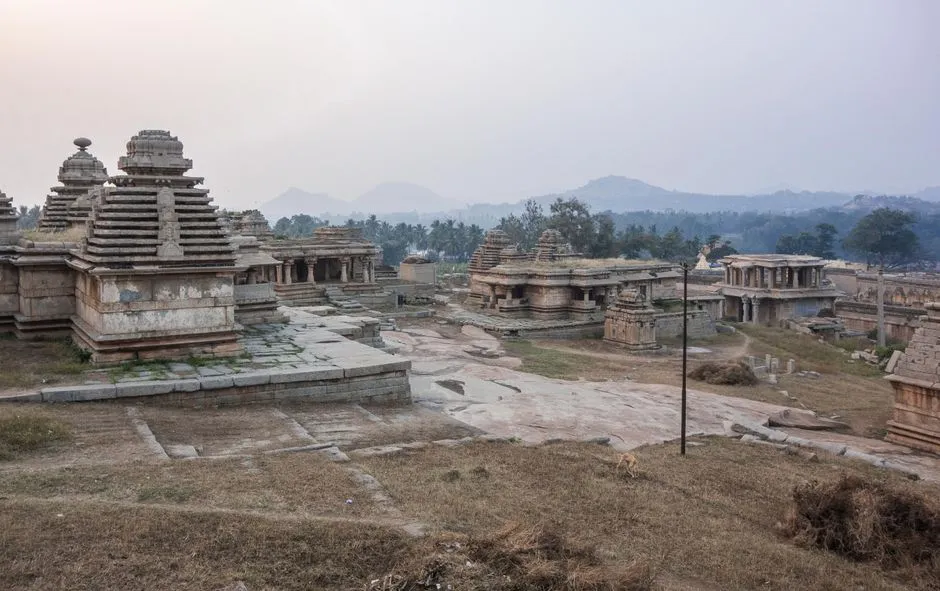
Inwa preserves scattered monasteries, stupas and structural remains across a rural landscape. Moving between them has historically required local transport, but present access, bridge conditions and security must be checked from scratch.
Sagaing is a major monastic centre across the river, recognised by pagodas and monasteries across its hills. Sagaing Region has experienced severe conflict, and UK advice warns against all travel to the region. Do not treat proximity to Mandalay as permission to visit.
Mingun is known for the massive unfinished Mingun Pahtodawgyi, the white Hsinbyume Pagoda and a large bell. River transport and site access require current verification. UK guidance notes that river transport may not meet internationally recognised safety standards and that rescue capacity can be limited.
The important planning lesson is simple: nearby on a map does not mean currently accessible or safe.
The 2025 earthquake changed the baseline
The March 2025 earthquake caused extensive loss of life and damage in central Myanmar, particularly around Mandalay and Sagaing. Historic and religious structures, roads, utilities and ordinary neighbourhoods were affected.
Pre-earthquake descriptions cannot establish current condition. For any future trip, verify whether sites are open, under repair, restricted or unsafe. Do not enter damaged structures or cross barriers for a photograph. Restoration is not an inconvenience staged between visitor seasons; it is part of a much larger recovery borne by local communities.
How long would Mandalay need?
If official advice and local conditions eventually permit normal tourism:
- Two full days could cover the northern religious cluster, Mahamuni and selected central areas.
- Three full days would allow one carefully chosen nearby historic cluster without compressing the city.
- Four days or more would suit travellers studying religious architecture, crafts or several former capitals.
Do not attempt all outlying areas in one day. The result is more time negotiating movement and less time understanding why the places matter.
Mandalay also pairs naturally with Bagan in a future central-Myanmar route. Our Bagan temple guide provides cultural background, but present safety and transport must be reassessed independently for every leg.
Questions to resolve before future travel
Verify:
- the advisory for Mandalay City, Mandalay Region and every side trip;
- route conditions, checkpoints, curfews and transport restrictions;
- post-earthquake building and site access;
- insurance validity and medical-evacuation coverage;
- lawful photography and device rules;
- current accommodation and transport through reliable sources;
- religious-site dress and access requirements.
Conditions can deteriorate quickly. Our guide to Myanmar's safety decision explains why a functioning hotel or open monument does not make the wider trip safe.
The honest conclusion
Mandalay rewards context. Its palace plan, monasteries, sacred images, workshops and neighbouring former capitals show political and religious history spread across a living region rather than sealed inside one old quarter.
For now, severe advisories and the post-earthquake reality outweigh itinerary ambition. Learn the map, understand the differences between the sites and postpone the booking when official advice says to. Mandalay will be better encountered with time and attention than reached through an argument with a warning label. Keep future ideas together in our Myanmar destination guides.