Bagan Temples Guide: 12 Must-See Temples and How to Plan
What Are the Bagan Temples?
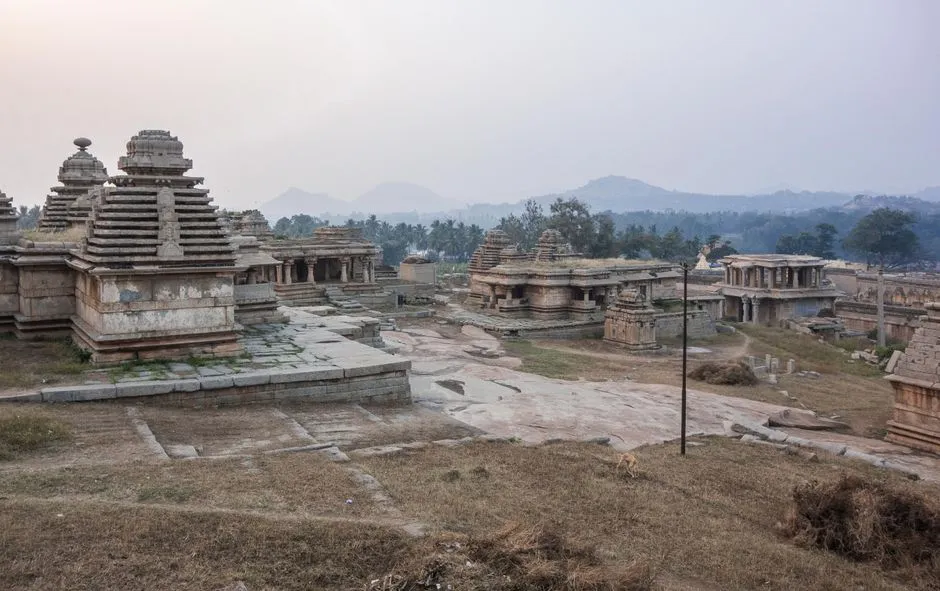
The Bagan temples are the surviving monuments of the ancient Pagan Kingdom, spread across a dusty plain beside the Ayeyarwady River in central Myanmar. Between the 11th and 13th centuries, Bagan's kings and citizens built thousands of Buddhist temples, stupas, and monasteries here — and more than 2,000 of them still stand today. The result is one of the densest concentrations of religious architecture on Earth, recognized as a UNESCO World Heritage Site in 2019.
Nothing quite prepares you for the scale. From any slight rise on the plain, brick spires stretch to the horizon in every direction — some gilded and busy with worshippers, others silent and half-swallowed by scrub. You could spend a week here and not see a tenth of them. The good news: you don't need to. A dozen well-chosen temples, seen at the right time of day, will give you the full sweep of Bagan's story.
This guide covers the twelve temples we think reward a visit most, how many days to plan, where to catch sunrise, and the practical rhythm of temple-hopping on the plain.
The 12 Must-See Temples in Bagan
Bagan's monuments cluster loosely around three settlements: Old Bagan (inside the ancient city walls), Nyaung-U (the main town, to the northeast), and New Bagan (to the south, near the village of Myinkaba). The twelve below are ordered roughly north to south, so you can string them into a route.
| Temple | Era | Why it matters | Area |
|---|---|---|---|
| Shwezigon Pagoda | 11th–12th c. | Prototype of the Burmese gilded stupa; still an active pilgrimage site | Nyaung-U |
| Htilominlo | Early 13th c. | Late-period grandeur; fine stucco and glazed detail | Between Nyaung-U and Old Bagan |
| Ananda | Early 12th c. | Bagan's architectural masterpiece; four towering standing Buddhas | Old Bagan |
| Thatbyinnyu | Mid-12th c. | The tallest temple on the plain | Old Bagan |
| Shwegugyi | 12th c. | Elegant, bright interior beside the old palace site | Old Bagan |
| Bupaya | Rebuilt 20th c. | Gourd-shaped riverside stupa; best Ayeyarwady views | Old Bagan |
| Dhammayangyi | 12th c. | The largest and most massive temple, wrapped in dark legend | Central plain |
| Sulamani | Late 12th c. | Interior murals and refined brickwork | Central plain |
| Shwesandaw | 11th c. | Iconic five-terraced pyramid stupa | Central plain |
| Gubyaukgyi (Myinkaba) | Early 12th c. | Bagan's finest surviving wall paintings | Myinkaba |
| Manuha & Nanpaya | 11th c. | A captive king's temple and a rare sandstone-faced shrine | Myinkaba |
| Dhammayazika | Late 12th c. | Unusual five-sided golden stupa in quiet countryside | Near Pwasaw |
Shwezigon Pagoda
Start where Burmese stupa design itself started. Shwezigon's solid gold-leafed bell shape became the template copied across Myanmar for centuries — you'll see its descendants everywhere from Yangon to Inle. It sits in Nyaung-U and remains a living place of worship, so expect pilgrims, chanting, and covered walkways lined with vendors. Come early morning, when the gold catches the low light and the marble underfoot is still cool.
Htilominlo
A three-story late-period temple on the road between Nyaung-U and Old Bagan, Htilominlo shows Bagan at its most confident: tall, symmetrical, and decorated with some of the plain's best-preserved stucco friezes and traces of old glazed sandstone. Walk the exterior slowly before going in — the ornament is the point.
Ananda Temple
If you see one interior in Bagan, make it Ananda. Completed in the early 12th century, it is widely considered the finest temple on the plain: a whitewashed, perfectly proportioned Greek-cross plan crowned with a gilded tower. Inside, four enormous standing Buddha images face the cardinal directions, lit from concealed openings above. Two are originals; look closely and you can see how the expressions seem to change as you approach — a deliberate trick of the carvers.
Thatbyinnyu
Bagan's tallest temple rises around 60 meters in two great white tiers just inside the old city walls. Its upper levels are closed, but the sheer verticality reads best from a distance — Thatbyinnyu is the landmark you'll use to orient yourself all over the plain, and it anchors nearly every classic Bagan photograph.
Shwegugyi
A short walk from Thatbyinnyu, this smaller 12th-century temple is a favorite for its airy, light-filled sanctuary — unusual on a plain where most interiors are dim corridors. It stands beside the site of the old royal palace, and the pairing tells you how closely Bagan's kings kept their merit-making to hand.
Bupaya
Down on the riverbank at the edge of Old Bagan, Bupaya is a small, bulbous gilded stupa in a distinctive gourd shape. The original — said to be one of Bagan's oldest — collapsed into the river in the severe 1975 earthquake, and what stands today is a reconstruction. Come less for the monument than for the terrace: this is the easiest place to watch life on the Ayeyarwady drift past.
Dhammayangyi
Visible from almost everywhere on the plain, Dhammayangyi is Bagan's bulkiest temple — a massive stepped pyramid attributed to the 12th-century king Narathu, who by legend built it in atonement for murdering his way to the throne. The brickwork is famously precise, and just as famously, the inner corridors were bricked shut centuries ago for reasons no one has settled. The mystery is half the draw.
Sulamani
Southeast of Dhammayangyi, Sulamani is often called the plain's best all-rounder: handsome proportions outside, and interior walls covered in murals — seated Buddhas, processions, and scenes of daily life, some painted centuries after the temple was built. It suffered damage in the 2016 earthquake and has seen careful restoration since; check locally for current access.
Shwesandaw
This tall, five-terraced white stupa was for years Bagan's sunset institution, when crowds could climb its steep stairways. Climbing is no longer permitted — a rule that now applies across the monuments — but Shwesandaw remains worth a stop for its clean pyramid geometry and central position. For elevated views today, see the sunrise section below.
Gubyaukgyi (Myinkaba)
Small on the outside, extraordinary within: this early 12th-century temple near Myinkaba village holds Bagan's best-preserved wall paintings, hundreds of scenes rendered in earthy pigment. Interiors like this are why guides tell you to bring a flashlight. Photography inside is typically restricted to protect the murals — follow the posted rules.
Manuha and Nanpaya
These neighbors in Myinkaba tell one story. Manuha Temple is attributed to a captive Mon king held at Bagan in the 11th century: its giant seated and reclining Buddhas are wedged into chambers almost too small for them, which tradition reads as a portrait of captivity. A few steps away, Nanpaya — said to be his residence — is one of Bagan's few sandstone-faced shrines, with crisp carvings of the Hindu god Brahma on its interior pillars, a reminder of how mixed the plain's influences were.
Dhammayazika
End your circuit in the quiet southeast of the plain near Pwasaw, where this late 12th-century stupa breaks all the rules: a five-sided plan (honoring five Buddhas rather than the usual four), a broad gilded dome, and green farmland in every direction. It gets a fraction of Old Bagan's visitors, and the ride out — through fields and small villages — is part of the reward.
How Many Days Do You Need in Bagan?
Two full days is the honest minimum; three is the sweet spot. Here's how that breaks down:
- One day forces a checklist march through Old Bagan's headliners. You'll see Ananda and Shwezigon, but you'll leave without feeling the plain.
- Two days lets you split the map: the northern cluster (Shwezigon, Htilominlo, Old Bagan) one day, the central and southern temples (Dhammayangyi, Sulamani, Myinkaba, Dhammayazika) the next — with a sunrise and a sunset each day.
- Three days adds what makes Bagan memorable: unplanned wandering. The best hour many travelers have here is the one spent at a nameless temple they found by turning down the wrong sandy track.
Build your days around the light. The productive windows are roughly dawn to mid-morning and late afternoon to dusk; the midday hours on the plain are hot, glaring, and best spent resting, eating, or exploring one large interior like Ananda's.
Bagan Sunrise Viewpoints
Sunrise is Bagan's signature moment — mist on the plain, spires emerging in silhouette, and in the cool season, hot-air balloons drifting overhead. Two things to know before you plan it:
Temple climbing is banned. The scramble up Shwesandaw or a hidden "secret temple" for sunrise belongs to an earlier era of Bagan travel. After earthquake damage and conservation concerns, the authorities prohibited climbing on the monuments, and the rule is enforced. Don't ask locals to bend it — fines fall on them too.
Use the designated alternatives instead:
- Man-made viewing mounds. Earthen hills built specifically for sunrise and sunset viewing, dotted around the central and southern plain. Views vary by mound, so scout one the afternoon before.
- A viewing tower. A purpose-built tower on the plain offers elevated panoramas without touching the old brick.
- Hot-air balloons. In the dry, cooler months, balloon flights at dawn are Bagan's splurge experience and genuinely worth it if the budget allows. Flights are weather-dependent and seasonal — they generally don't operate through the rainy months.
- Ground level, facing the balloons. An underrated option: from open fields east of Old Bagan, sunrise with balloons rising behind Dhammayangyi's silhouette costs nothing.
For sunset, the riverbank at Bupaya and the western viewing mounds are the reliable choices.
Getting Around the Temple Plain
The plain is far too spread out to walk — the main sites span several kilometers in each direction. Most foreign visitors get around by electric bike (e-bike), rented cheaply in all three towns; they're quiet, easy to ride, and cope fine with the sandy tracks if you keep your speed down. Alternatives include bicycles (fine in cool months, punishing at midday), horse carts (slow but atmospheric), and hired cars with drivers (worth it for families or in the hot season).
Note that visitors to the Bagan Archaeological Zone are charged an entry fee on arrival, valid for multiple days — keep the ticket with you, as temples may check it. We don't publish the current amount because fees change; verify before you go.
Dress for temple visits: shoulders and knees covered, and shoes and socks off at every temple entrance — yes, every one, so slip-on footwear will save you daily frustration.
When to Go — and Whether to Go
Bagan sits in Myanmar's central dry zone, one of the hottest and driest parts of the country. The pleasant window is roughly November through February: warm days, cool mornings, balloon season, and the plain at its most photogenic. March to May brings serious heat, and the mid-year months bring rain, though Bagan stays drier than the coast. For the full month-by-month picture, see our guide to the best time to visit Myanmar.
The harder question is not when but whether. Myanmar's political and security situation has been volatile since 2021, conditions vary sharply by region, and a major earthquake in 2025 caused damage in parts of central Myanmar — so some monuments may be closed for repair, and access can change. Read our honest assessment of whether Myanmar is safe to visit and check your government's current travel advisory before committing to a trip. No temple, however beautiful, is worth ignoring current conditions on the ground.
Final Thoughts
Bagan rewards a particular kind of traveler: one willing to wake in the dark, ride a slow e-bike down sandy lanes, and accept that seeing everything is impossible. Anchor your visit on the twelve temples above, protect your dawn and dusk hours, and leave room in the plan for the unnamed ruin that ends up being your favorite. That's how the plain has always worked its magic — for more on routing Bagan into a wider itinerary, start with our trip planning guides.