Best Time to Visit Myanmar: Month-by-Month Weather Guide
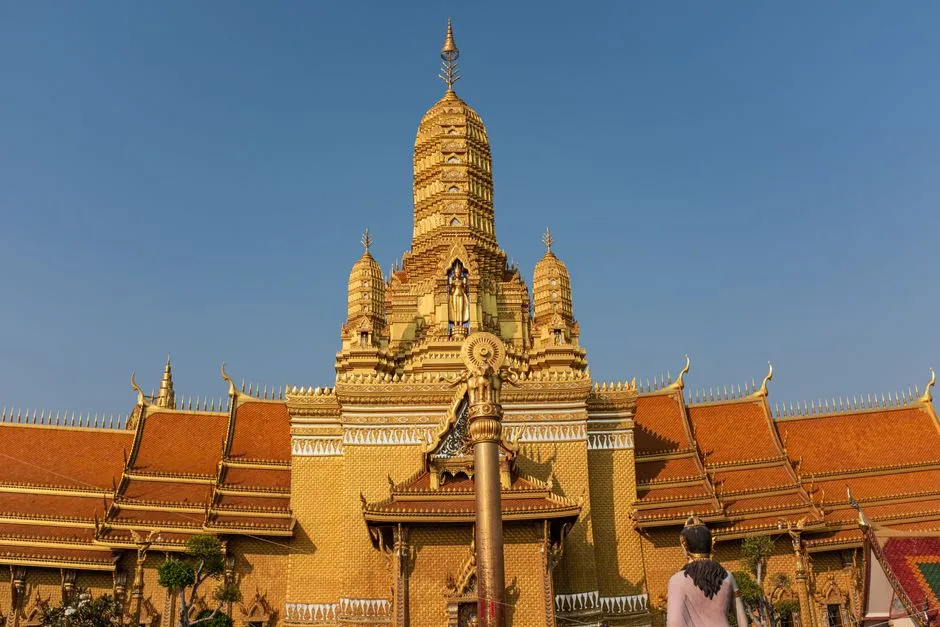
The Best Time to Visit Myanmar Is November Through February
The best time to visit Myanmar is the cool, dry season from November through February. Skies are mostly clear across the whole country, daytime temperatures are warm rather than punishing, and every major destination — Bagan, Inle Lake, Yangon, Mandalay — is at its most comfortable. It is also peak season, so expect more visitors and higher demand for rooms in December and January.
That is the short answer. The longer answer is more interesting, because Myanmar's weather is not uniform: the central plains around Bagan and Mandalay sit in a rain shadow and stay relatively dry even in monsoon season, while Yangon and the southern coast get drenched. Depending on where you're going and what you can tolerate, the shoulder months — and even parts of the rainy season — can work far better than their reputation suggests.
One thing before the weather: climate is only half of the "when to go" question in Myanmar right now. Conditions in the country can change quickly, and several regions are affected by ongoing conflict. Read our honest assessment of whether Myanmar is safe to visit alongside this guide, and check your government's current travel advisory before you commit to anything.
Myanmar's Three Seasons at a Glance
Myanmar has a classic tropical monsoon climate with three distinct seasons rather than four. Here is how they compare:
| Season | Months | What to Expect | Best For |
|---|---|---|---|
| Cool & dry | November – February | Clear skies, warm days, mild-to-cool nights | Everything — this is peak season |
| Hot | March – mid-May | Intense heat, especially in the central plains; dry and hazy | Budget travelers, Thingyan festival (April) |
| Rainy (monsoon) | mid-May – October | Heavy rain on the coast and in Yangon; much lighter rain inland | Green landscapes, few crowds, the dry zone |
The cool, dry season (November – February)
This is Myanmar at its best. The southwest monsoon has retreated, humidity drops, and the whole country opens up. Days are typically warm and sunny; nights can be genuinely cool, especially at altitude. Inle Lake sits at roughly 880 meters, and December and January mornings there can be cold enough that you'll want a fleece and be glad of a blanket on any early boat ride. Higher hill towns like Kalaw are cooler still.
This is also balloon season in Bagan — the famous hot-air balloon flights over the temple plain typically run from October into early April, when winds and visibility cooperate. If a sunrise balloon view is on your list, aim for these months.
The trade-off is that everyone else has the same idea. December and January are the busiest months, so book accommodation further ahead than you would the rest of the year.
The hot season (March – mid-May)
From March the heat builds fast, and by April the central dry zone is one of the hottest places in Southeast Asia. Bagan and Mandalay regularly reach 40°C (104°F) in April, and sightseeing among sun-baked temples in that heat is a genuine endurance exercise. If you travel now, structure your days like locals do: out at dawn, indoors or in the shade from late morning to late afternoon, out again for sunset.
The hot season has two real draws. The first is Thingyan, the Burmese New Year water festival held in mid-April — several days of nationwide, exuberant water-throwing that is enormous fun if you embrace it, and disruptive if you don't, since much of the country effectively shuts down around the holiday. The second is thin crowds and softer prices at exactly the moment demand collapses.
The rainy season (mid-May – October)
The southwest monsoon arrives around mid-May and lasts into October. But "rainy season" means very different things in different parts of the country:
- Yangon, the Delta, and the southern coast get serious rain — Yangon receives the large majority of its annual rainfall in these months, often in long, heavy downpours. Beach areas on the Bay of Bengal largely close down.
- The central dry zone (Bagan, Mandalay) sits in the rain shadow of the Rakhine Yoma range to the west, which strips most of the moisture out of the monsoon flow before it reaches the plains. Rain here tends to come in short bursts, often in the afternoon or evening, with plenty of dry hours between.
- Inle Lake and the Shan hills fall somewhere in between — regular rain, but rarely the all-day washouts of the coast.
July and August are usually the wettest months nationally. September and October are transitional: still wet early on, but steadily clearing, with the landscape at its greenest.
Myanmar Weather by Month
The single most useful thing to understand about Myanmar's calendar is how far apart the coast and the interior can be in the same week. The table below compares Yangon, the wettest of the major stops, with Bagan in the dry zone. Figures are typical monthly averages, rounded — any given year will run warmer, cooler, wetter, or drier.
| Month | Yangon avg high / low | Yangon rainfall | Bagan avg high / low | Bagan rainfall |
|---|---|---|---|---|
| January | 32 / 18°C (90 / 64°F) | ~5 mm | 30 / 15°C (86 / 59°F) | ~2 mm |
| February | 34 / 19°C (93 / 66°F) | ~2 mm | 33 / 17°C (91 / 63°F) | ~2 mm |
| March | 36 / 22°C (97 / 72°F) | ~5 mm | 36 / 21°C (97 / 70°F) | ~5 mm |
| April | 37 / 24°C (99 / 75°F) | ~15 mm | 39 / 25°C (102 / 77°F) | ~30 mm |
| May | 33 / 25°C (91 / 77°F) | ~300 mm | 38 / 26°C (100 / 79°F) | ~120 mm |
| June | 30 / 24°C (86 / 75°F) | ~550 mm | 36 / 26°C (97 / 79°F) | ~70 mm |
| July | 30 / 24°C (86 / 75°F) | ~600 mm | 36 / 26°C (97 / 79°F) | ~55 mm |
| August | 30 / 24°C (86 / 75°F) | ~600 mm | 35 / 25°C (95 / 77°F) | ~90 mm |
| September | 31 / 24°C (88 / 75°F) | ~390 mm | 34 / 25°C (93 / 77°F) | ~130 mm |
| October | 32 / 24°C (90 / 75°F) | ~180 mm | 33 / 24°C (91 / 75°F) | ~110 mm |
| November | 32 / 22°C (90 / 72°F) | ~60 mm | 31 / 20°C (88 / 68°F) | ~30 mm |
| December | 31 / 19°C (88 / 66°F) | ~10 mm | 29 / 16°C (84 / 61°F) | ~5 mm |
Two patterns jump out. Yangon's rainfall swings by a factor of a hundred between the dry months and the wet ones, while Bagan never gets more than a moderate month even at its peak. And Bagan runs hotter than Yangon from March through July but colder in December and January — the interior has a wider daily and seasonal range than the humid coast. Humidity follows the rain: sticky from May to October nationwide, comfortable from December to February.
November
Arguably the single best month. The rains have just ended, so the countryside is still green, dust and haze are at their lowest, and temperatures are pleasant everywhere. Crowds are building but haven't peaked. If you can pick any month, pick this one.
December
Peak season, and deservedly popular. Expect dry, sunny days nationwide, comfortable heat in Bagan and Yangon, and cool-to-cold nights at Inle Lake and in the hill towns — pack a warm layer. Myanmar in December is the safest weather bet of the year; the cost is peak-season demand, so reserve rooms well in advance, especially around Christmas and New Year.
January
Very similar to December: dry, clear, and the coolest month in much of the country. Mandalay and Bagan mornings can be surprisingly brisk before warming into the high 20s and low 30s Celsius (low 80s to low 90s Fahrenheit) by afternoon. Still firmly peak season.
February
Dry season continues, temperatures begin edging upward, and haze from agricultural burning starts to soften the long views late in the month. Crowds thin slightly after January. Still an excellent month almost everywhere.
March
The transition month. Early March remains comfortable; by late March the central plains are seriously hot and the air is often hazy, which dulls sunrise photography in Bagan. Coastal and hill destinations handle March better than the dry zone does.
April
The hottest month of the year, with the dry zone frequently topping 40°C (104°F). Mid-April brings Thingyan, the water festival and Burmese New Year — a cultural highlight, but plan around several days of closures and packed transport. Unless the festival is your goal, April is the hardest month to recommend.
May
Still very hot in the first half; the monsoon typically breaks over the south around mid-month and advances north from there. The first rains bring real relief from the heat. A quiet, in-between month.
June
The monsoon settles in. Yangon and the coast turn properly wet, while Bagan and Mandalay stay workable with intermittent showers. Very few visitors, green scenery, low demand.
July
One of the two wettest months on the coast and in Yangon — expect rain most days there, sometimes prolonged. The dry zone remains far more forgiving, and July is actually one of Bagan's lighter monsoon months. If you must travel now, build the itinerary around the interior.
August
Much like July on the coast, with Bagan a little wetter than it was in July. Trekking trails around Kalaw and Inle get muddy and leeches appear on the hill routes. Rivers run high, which can affect boat schedules.
September
Still rainy, but the intensity begins easing as the month progresses. Landscapes are lush, waterfalls are full, and you will have famous sites nearly to yourself.
October
The monsoon withdraws through October — and it leaves in the opposite direction from the one it arrived in. Retreat begins in the north and northeast and works its way south, so Mandalay and the dry zone dry out first while Yangon, the Delta, and the southern coast hold on to showers longest, clearing last. By late October most of the country is close to ideal: green countryside, fresh air, and the crowds haven't arrived yet. An underrated choice, and one of the great shoulder-season windows in Southeast Asia. The Thadingyut festival of lights, marking the end of Buddhist Lent, usually falls in October and is a beautiful time to be in any Burmese town.
When to Visit Bagan Specifically
Bagan deserves its own answer because it drives so many Myanmar itineraries. The plain sits in the heart of the dry zone, which changes the calculus:
- Best overall: November to February — clear sunrises, comfortable cycling weather, and balloons in the sky.
- Best for photography: November and December, before late-season haze builds. Post-monsoon clarity plus green scrub between the temples is a combination the hot months can't match.
- Surprisingly viable: June to September. As the table shows, Bagan's wettest month still lands well under a fifth of Yangon's, and having the temple plain almost empty is a real experience.
- Avoid if you can: April and early May, when 40°C heat makes long days among the temples genuinely draining.
For which temples to prioritize and how many days the plain deserves, see our full Bagan temples guide.
Practical Planning Notes
- Book ahead for December and January. Peak season in Myanmar is short and concentrated, and the best-located accommodation fills first.
- Pack for range, not just heat. A December itinerary that includes Inle Lake or the hill towns spans cold mornings and hot afternoons in the same day. Layers win.
- Domestic travel is weather-sensitive. In the monsoon months, road journeys can slow down and schedules shift more than usual. Build slack into rainy-season itineraries.
- Festivals follow the lunar calendar. Thingyan lands reliably in mid-April, but most other festival dates move year to year — verify the current year's dates before planning around one.
- Weather is the easy variable. Security conditions vary sharply by region and can change faster than any climate pattern. Our trip-planning guides — especially the safety overview — cover how to check current conditions properly before you book.
The Bottom Line
Go in November through February if you want the classic, comfortable Myanmar trip, with November and late October as the connoisseur's picks for green landscapes without peak crowds. Treat March through mid-May as a hot-season compromise best reserved for Thingyan enthusiasts and heat-tolerant travelers. And don't write off the monsoon months entirely — if your itinerary centers on Bagan and Mandalay, the rains are lighter than the map suggests, and you'll share the temples with almost no one.